 English
  简体中文
简体中文  한국어
한국어  Deutsch






Turn-key Solutions
for Battery Research
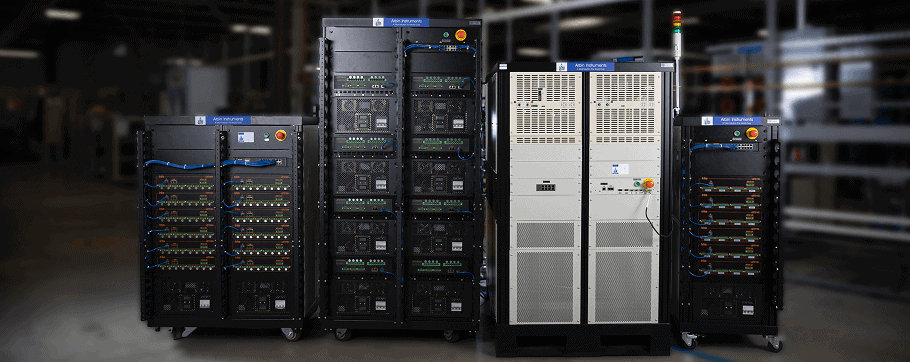
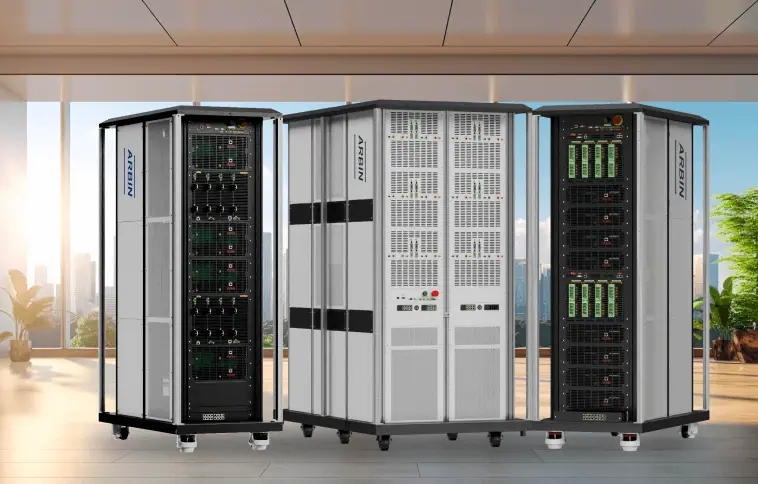
The details are critical in materials research, the development and refining of new battery chemistries and energy storage technology require reliable testing solutions. Arbin's range of research and development testing solutions ensures researchers have the tools needed to bring new technology to the market.
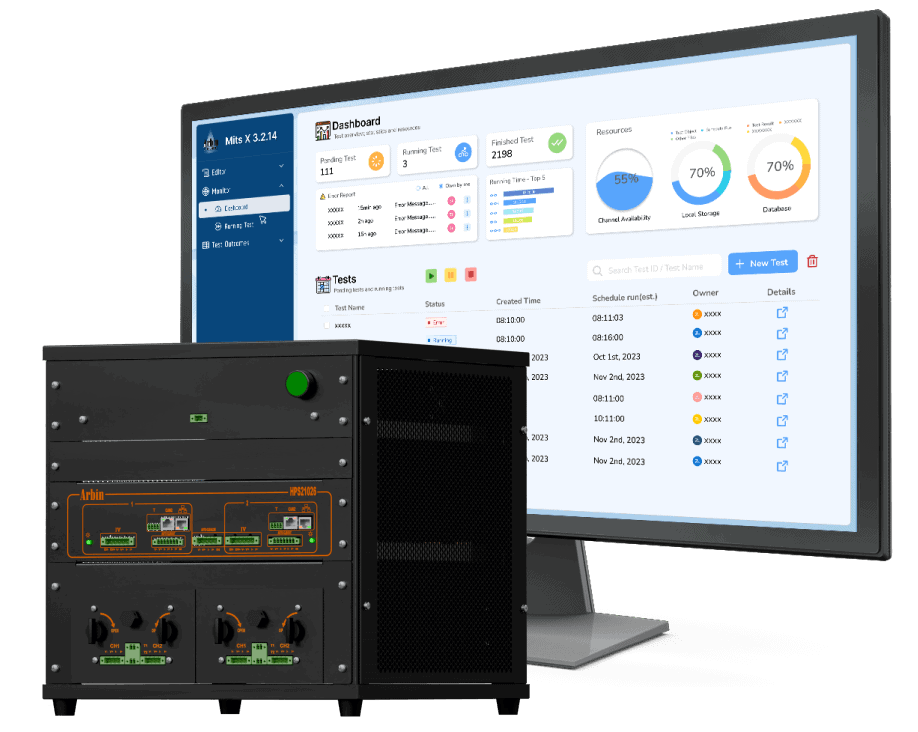
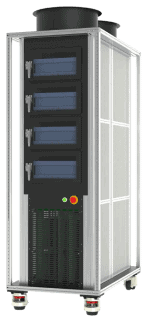
Accelerate your battery parallel test using our PDBT. Featuring an integrated chamber, it precisely conducts battery comparison test and fast measures battery's self-discharge current. Its portable, powerful design is perfect for innovative research applications.
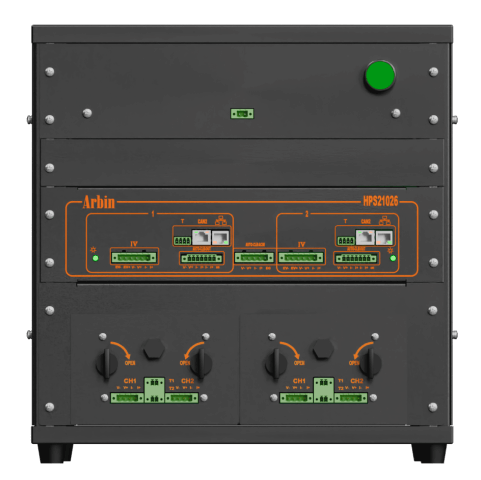
High-Precision Battery Tester (HPS) with Integrated Chamber
Arbin's High-Precision Battery Tester (HPS) offers a turn-key solution with state-of-the-art technology, ensuring unmatched accuracy and precision.
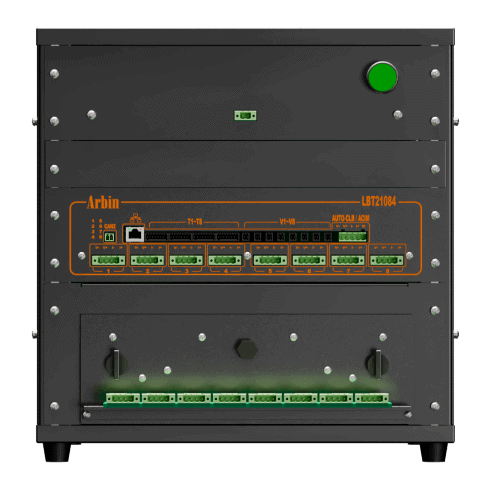
Laboratory Battery Tester (LBT) with Integrated Chamber
Compact and versatile, our portable desktop solution integrates Arbin's advanced testing features.
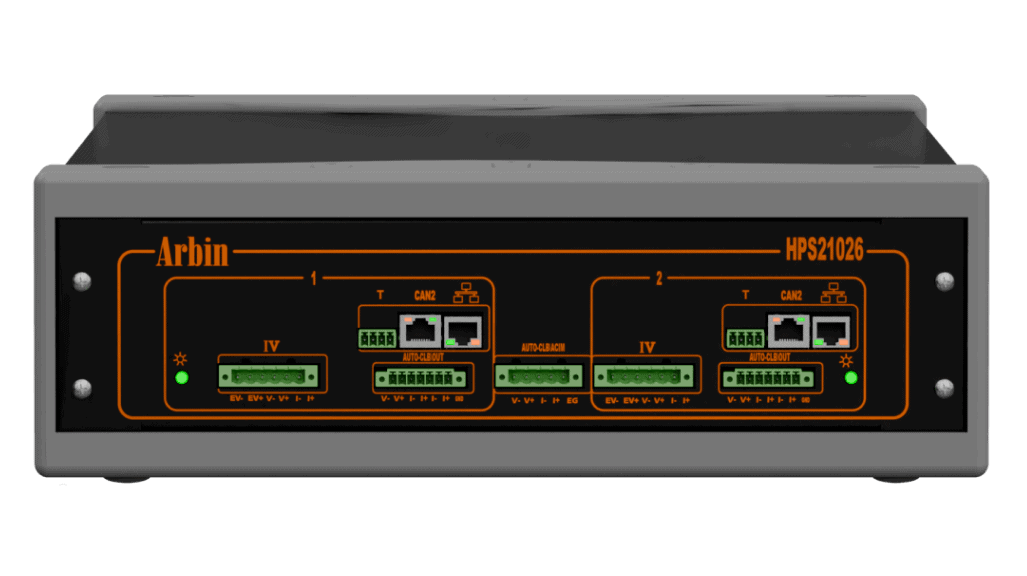
High-Precision Battery Tester
Arbin's High-Precision Battery Tester (HPS) is equipped with state-of-the-art technology, ensuring unmatched accuracy and precision.
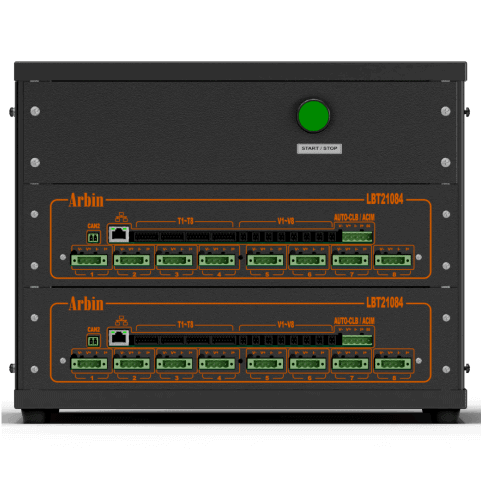
Laboratory Battery Tester
Compact and versatile, our portable desktop solution integrates Arbin's advanced testing features.
Our software testing station employs state-of-the-art technology for accurate battery evaluation, efficient data management, and real-time monitoring, ensuring top-notch performance and reliability.
Smart Software Infrastructure Solutions

Fast Testing Control
Our infrastructure enables swift and precise battery testing, leveraging advanced algorithms and real-time monitoring. This drastically cuts down testing time while ensuring high accuracy, boosting efficiency and throughput.

Data Acquisition
With robust data acquisition capabilities, our system captures comprehensive battery performance metrics in real-time. Seamlessly integrating with various sensors, it ensures precise data collection for detailed analysis and reliable reporting

Data Treatment
Our data treatment tools offer extensive analysis and visualization. Users can interpret complex data with intuitive plots and charts, facilitating informed decision-making and uncovering performance trends or anomalies in battery tests.

Centralized Infrastructure
Unified platform for synchronized management, data storage, and control of multiple battery testing stations.

Distributed Infrastructure
Distributed testing infrastructure for scalable and flexible battery testing.
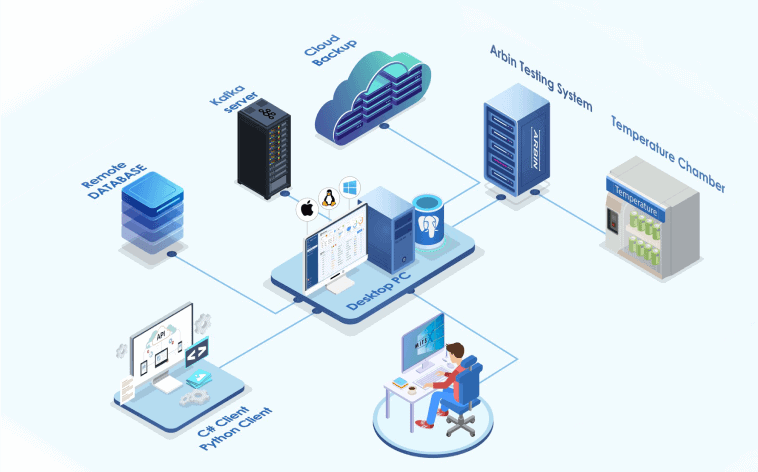
Standalone Station
Independent setup for localized battery testing with integrated data management and analysis capabilities.
Auxiliaries and Optional Accessories
Available to Enhance Testing
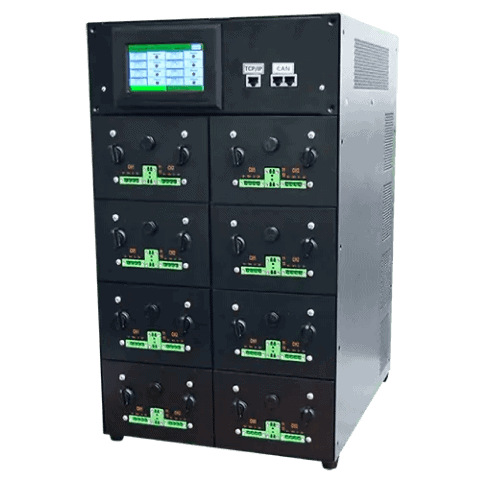
MZTC Multi-Chamber
Arbin's MZTC provides up to 8 fully independent mini temperature chamber for cell testing.
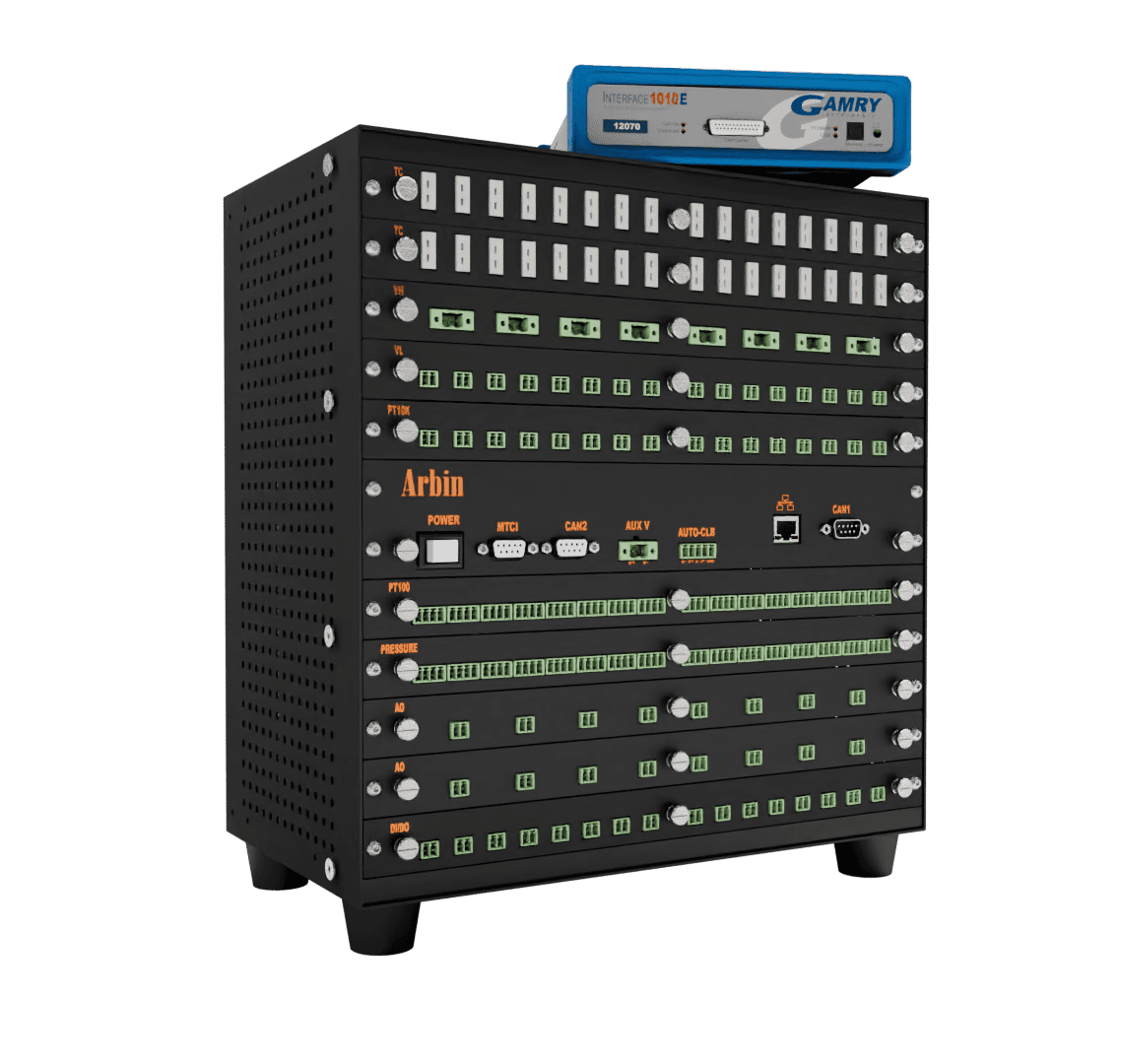
Auxiliary System
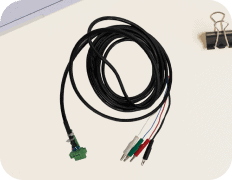
Arbin offers a full complement of auxiliary modules to address further testing requirements.
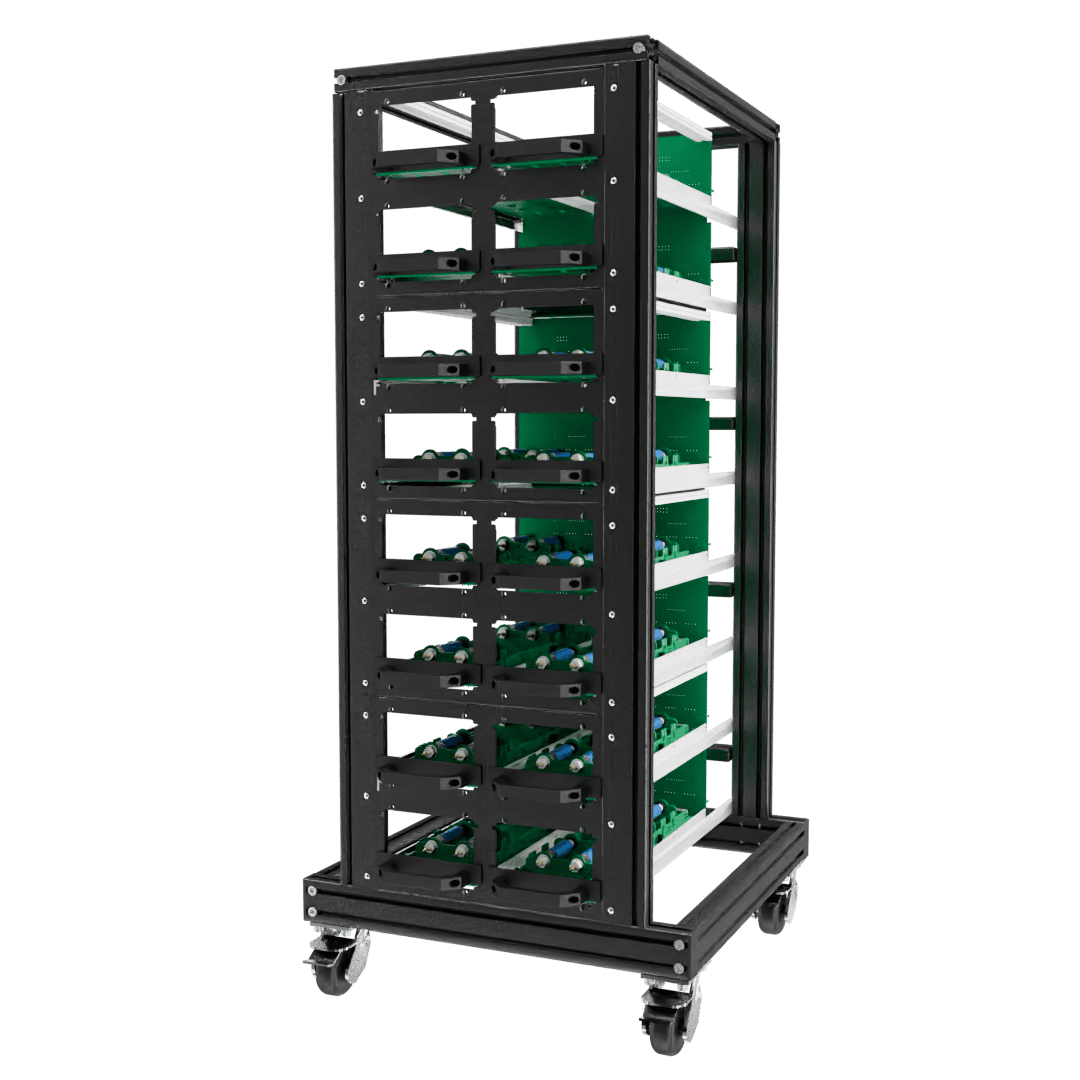
Battery Holders and Racks
A variety of racks and battery holder are available for all cell types for an organized test environment.
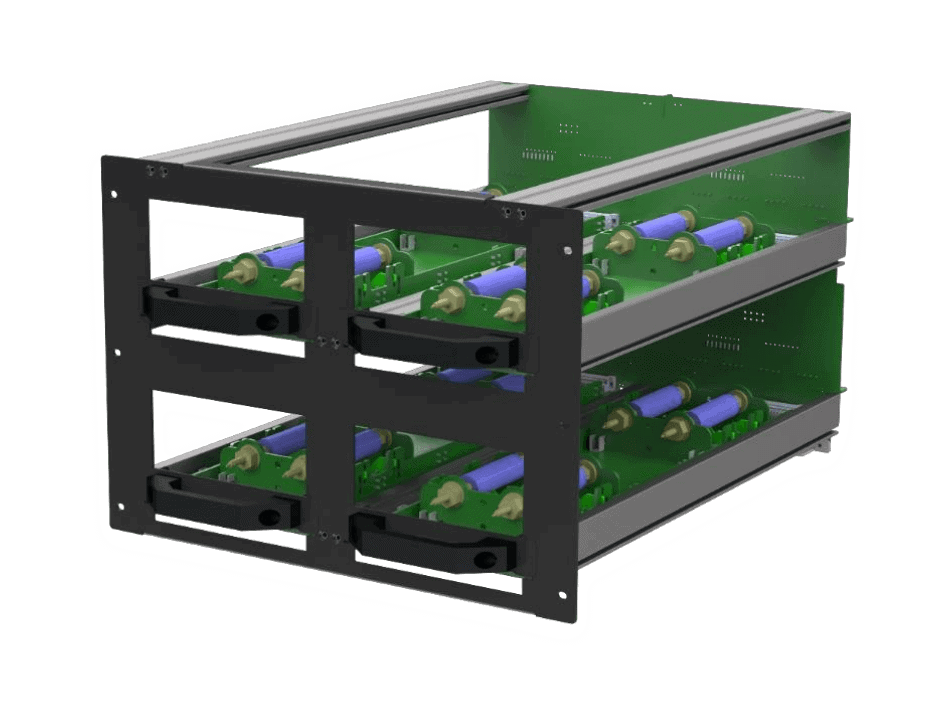
Multi-Zone Open Rack
Battery holder system with open rack features four compartments for holding battery trays.
