한국어
한국어  English
  简体中文
简体中文 
How Can Current Measurement Offset Make Coulombic Efficiency Appear to Exceed 100%?
One common reason that measured coulombic efficiency…

One common reason that measured coulombic efficiency…

A common end-of-life criterion for lithium-ion cells…
1. 서론 1.1 배경 Arbin DataWatcher는 주로 ...

1. 서론 배터리 테스팅은 근본적으로 측정 작업입니다. 사이클 수명을 평가하든…
Four notes most engineers read first.
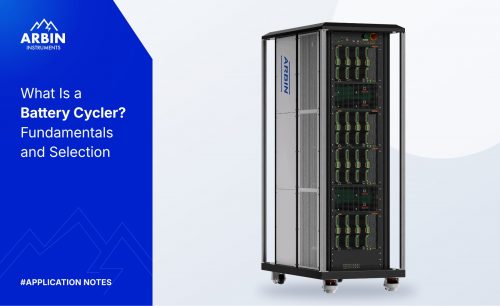
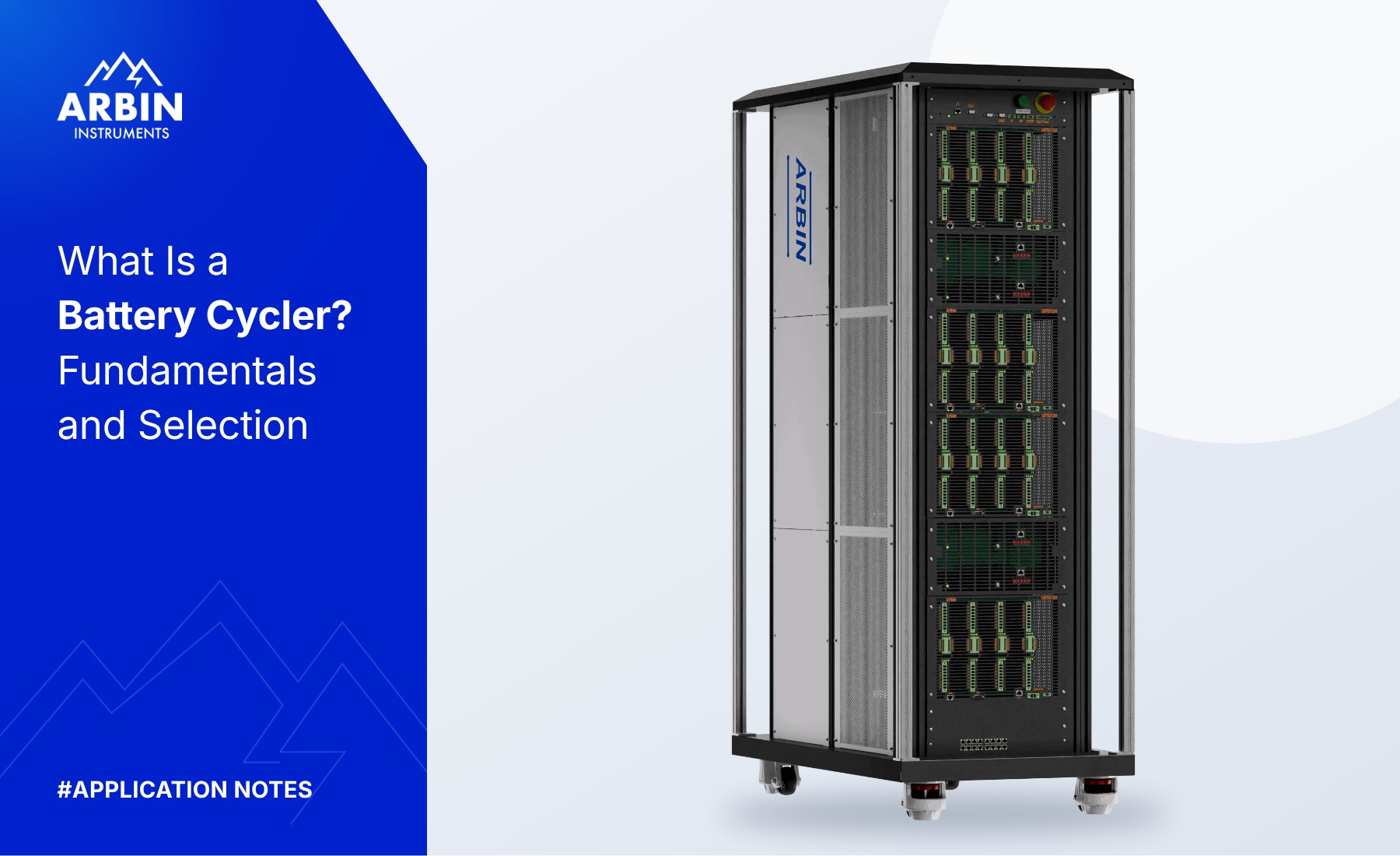
How a battery cycler works, the specifications that decide data quality, and how to choose a cell testing system.
Home › Resources › Application Notes › Cell Grading & Matching Application Note AN-025 Battery Cell Grading and Matching: Why Measurement Precision Determines Pack Performance Summary A battery pack is only as good as its weakest cell. In a series string, charging stops when the first cell reaches its upper voltage limit and discharging stops […]
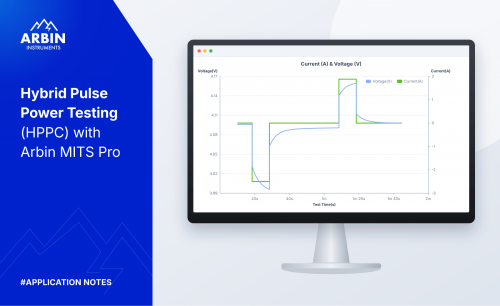
Home › Resources › Application Notes › HPPC Application Note AN-024 Hybrid Pulse Power Characterization (HPPC) Testing with Arbin MITS Pro Summary The Hybrid Pulse Power Characterization (HPPC) test measures the pulse resistance and pulse power capability of a battery across its state-of-charge (SOC) range. This application note describes the HPPC method, the cycler characteristics […]
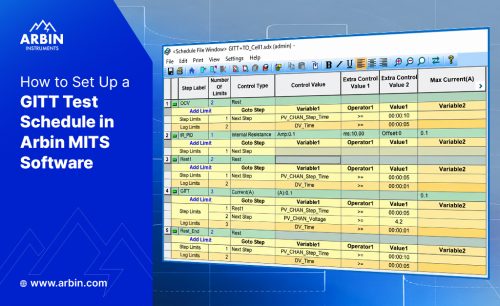
I. Introduction The Galvanostatic Intermittent Titration Technique (GITT) is an electrochemical method commonly used to study ion diffusion behavior and transport kinetics in battery electrode materials. A typical GITT test consists of a sequence of constant-current pulses followed by open-circuit relaxation periods. During each current pulse, the cell voltage changes as the state of charge […]
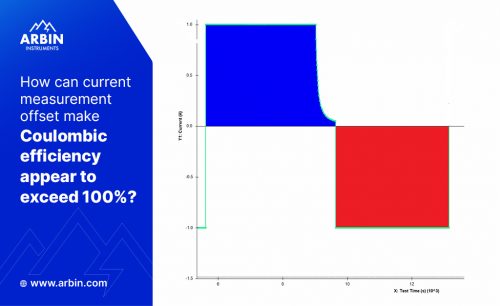
One common reason that measured coulombic efficiency (CE) can appear to exceed 100% is a current measurement offset. In this example, assume the cycler has a constant negative current offset e. This means the measured current is lower than the true current by e throughout the test. To simplify the analysis, assume an ideal battery […]
A common end-of-life criterion for lithium-ion cells is when the measured discharge capacity falls to 80% of its initial value. This document demonstrates how to configure an Arbin test schedule to automatically cycle a cell until this threshold is reached. Overall test procedure: Initial capacity measurement → Cycling loop → Compare capacity to 80% → […]
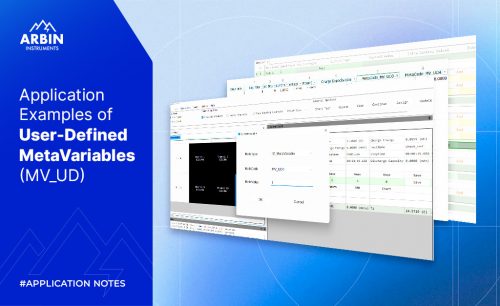
Arbin 소프트웨어에서 MV_UD(사용자 정의 메타 변수)는 배터리 테스터를 제어하는 강력한 도구입니다. 이 문서는 Arbin MITS 소프트웨어에서 MV_UD를 사용하는 방법을 설명합니다. SetValue(s)를 사용하여 MV_UD에 값 저장 Control Type 목록에서 SetValue(s)를 선택합니다. SetValue(s)는 특정 순간에 물리량의 고정된 값을 할당합니다.
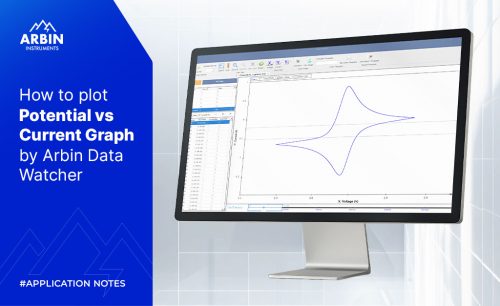
1. 소개 1.1 배경 Arbin DataWatcher는 주로 실시간 데이터 분석 및 시각화 도구로 사용됩니다. 사용자는 테스트 데이터를 모니터링하고, 곡선을 플로팅하며, 데이터 파일을 효율적으로 내보낼 수 있습니다. 사용자는 전압, 전류, 용량, 시간과 같은 주요 전기화학 매개변수를 시각화하고 분석할 수 있습니다. 1.2 본 애플리케이션 노트의 목적 이 […]
이전 글에서 측정 정확도가 미치는 영향에 대해 살펴보았습니다. 이번 글에서는 배터리 연구에서 배터리 테스터의 정밀도가 미치는 영향에 초점을 맞춥니다. 많은 연구 응용 분야에서는 dV/dt 및 dQ/dV와 같은 매개변수가 널리 사용됩니다. 이러한 측정의 신뢰성은 [...]의 정밀도에 크게 좌우됩니다.
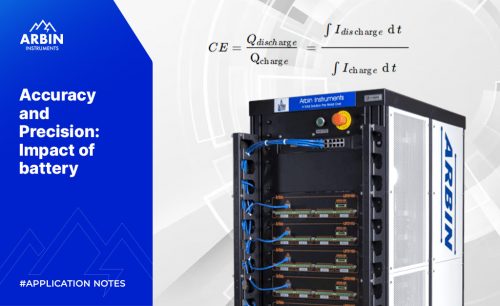
이전 글에서는 정확도와 정밀도라는 개념을 소개하고 배터리 테스팅에 미치는 영향에 대해 간략하게 살펴보았습니다. 이번 글에서는 정확도가 미치는 영향에 대해 더 자세히 알아보겠습니다. 용량 측정과 쿨롱 효율 측정에 미치는 영향에 대한 예시를 살펴보겠습니다. 우리가 모두 [...]
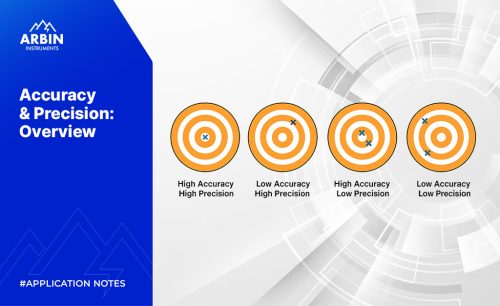
1. 소개 배터리 테스트는 근본적으로 측정 작업입니다. 사이클 수명, 쿨롱 효율, 전압 응답 또는 열화 메커니즘을 평가하든 결론의 품질은 데이터의 품질에 달려 있습니다. 모든 배터리 테스트 시스템에서 데이터 무결성을 제어하는 두 가지 개념은 정확성과 정밀성입니다. 종종 함께 언급되지만, 측정 성능의 다른 측면을 설명합니다. […]
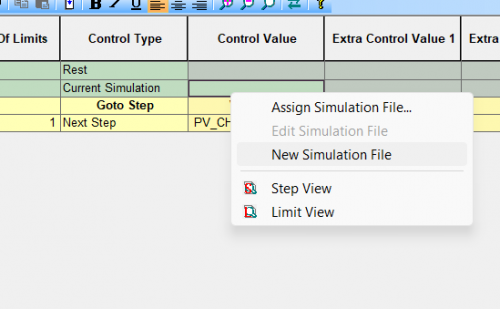
시뮬레이션 제어 유형에 대한 정보 및 사용 지침. 1. 일반 설명 시뮬레이션은 비정형 동적 체제(즉, 정전류, 정전압, 정전력, 램프, 계단, 펄스 또는 공식이 아닌)에서 수집된 데이터를 제어 함수로 입력하는 기능을 의미합니다. 세 가지 제어 유형이 있습니다. 1. 전류 시뮬레이션 – [...]
Send us your test plan. An Arbin applications engineer will recommend a system and write the first schedule with you.