 한국어
 English
 简体中文

전압, 온도 및 델타-V: NiMH 전지의 완전 충전 표시기 니켈-금속 수소(NiMH) 배터리는 양극(음극)으로 수산화니켈(NiOOH)을, 음극(양극)으로 수소 흡수 합금을 사용하는 충전식 배터리의 일종입니다. 니켈 카드뮴(NiCd) 배터리와 비교했을 때 NiMH 배터리는 몇 가지 뚜렷한 장점을 제공합니다: 덕분에 [...]
블로그

주제
가장 인기 있는
- 턴키 배터리 테스트
- Arbin EOL: Features, Pass/Fail Criteria & Automatic Reports
- What is the maximum data logging rate an Arbin system can handle? What about Burst Mode?
- What can be included in the export file? EIS data? Statistics? Coulombic efficiency?
- What file formats can Arbin export? What if I don’t have Excel?
최신

Arbin EOL: Features, Pass/Fail Criteria & Automatic Reports
Arbin End-of-Line (EOL) – FAQ What is Arbin EOL? It’s an end-of-line testing feature built into Arbin’s MITS software. You use it to run pass/fail checks on batteries at the final stage of production. What can it do? Custom pass/fail criteria: You write your own rules with logical expressions and equations, using AND/OR conditions (“Whens” […]
What is the maximum data logging rate an Arbin system can handle? What about Burst Mode?
The logging speed depends on the product series and on how many channels you run at the same time. With a single channel running, Arbin systems can log at up to 1 kHz (1 ms per point) in normal mode. The more channels run at once, the lower the rate per channel, typically a few […]

What can be included in the export file? EIS data? Statistics? Coulombic efficiency?
Short answer: Every export includes the basic time-series data for the DUT: current, voltage, power, capacity and energy at each logged point. You can add more using the checkboxes in the Export window. These include cycle and step statistics (with Coulombic efficiency), the schedule, auxiliary data such as temperature, BMS data, extended variables such as […]
아빈 뉴스 모두 보기
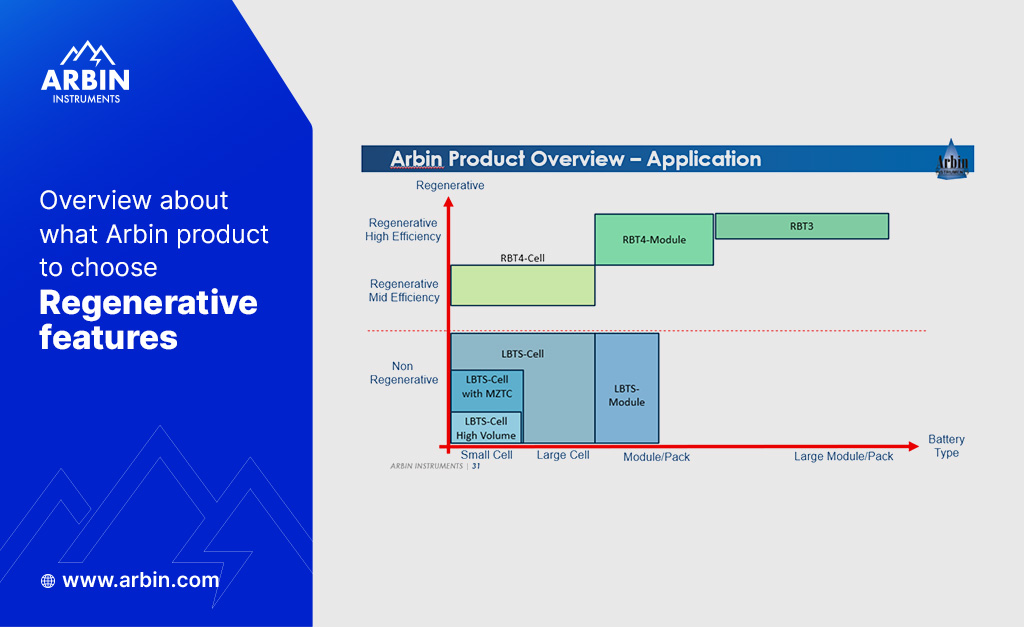
아빈 제품 선택 개요 – 재생 기능
에너지 효율성은 모든 공장과 부서에서 중요하게 고려해야 할 사항입니다. Arbin의 회생 제품은 탁월한 성능과 신뢰성으로 에너지 절감 요구를 충족하도록 설계되었습니다. I. 회생 기능의 이해 회생 기능은 배터리 방전 중 방출되는 에너지가 열로 낭비되는 대신 전력망으로 돌아가도록 합니다. 이와 대조적으로, […]
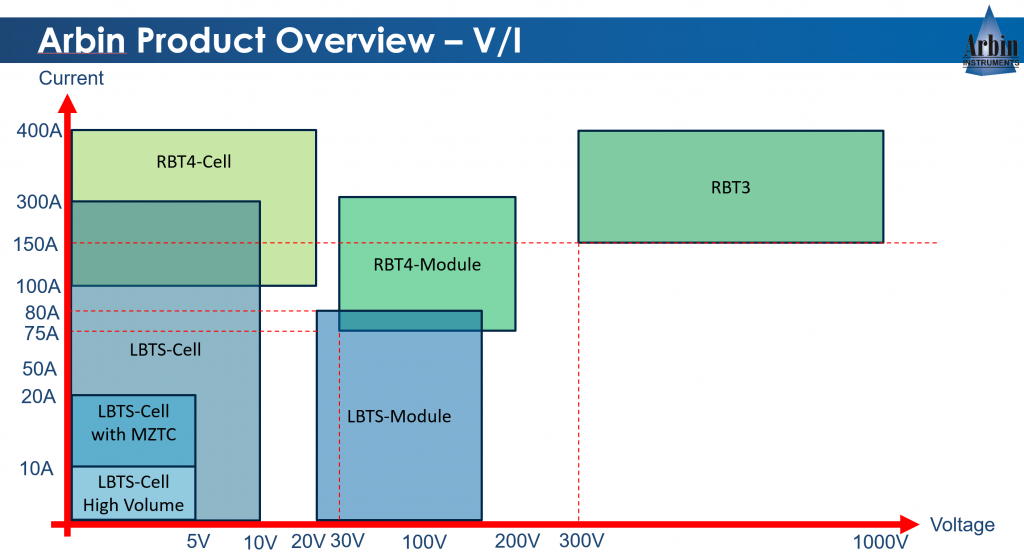
Arbin 제품 선택에 대한 개요 - 전압 및 전류 범위
Arbin’s Battery Testing Systems Arbin’s main products are advanced battery testing systems that accurately simulate real-world charge and discharge cycles. These systems help researchers, engineers, and manufacturers evaluate battery performance, safety, and lifespan under a wide range of conditions. Key Specifications Two of the most important specifications of a testing system are its maximum channel […]
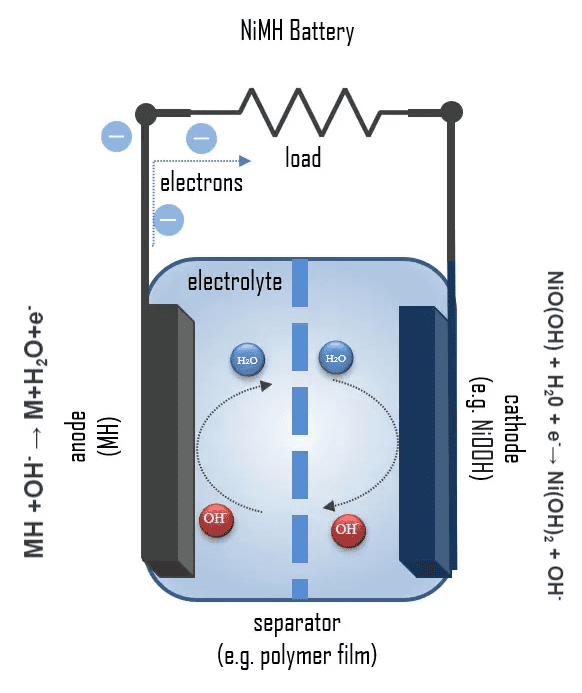
NiMH 배터리 완충 상태를 감지하는 방법
전압, 온도 및 델타-V: NiMH 전지의 완전 충전 표시기 니켈-금속 수소(NiMH) 배터리는 양극(음극)으로 수산화니켈(NiOOH)을, 음극(양극)으로 수소 흡수 합금을 사용하는 충전식 배터리의 일종입니다. 니켈 카드뮴(NiCd) 배터리와 비교했을 때 NiMH 배터리는 몇 가지 뚜렷한 장점을 제공합니다: 덕분에 [...]
턴키 배터리 테스트
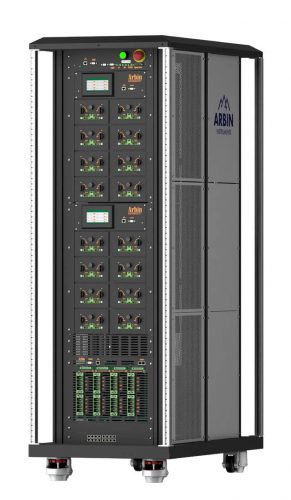
LBTS-TC: 테스트 채널, 온도 챔버 및 셀 홀더가 통합된 Arbin의 턴키 배터리 테스트 올인원 셀 테스트. 정밀도: 테스트 채널당 4개의 전류 범위에 걸쳐 업계 최고의 24비트 분해능으로 100ppm 측정 턴키 솔루션, 채널과 온도 케이블이 상호 연결된 채널에서 MZTC로 완전히 통합되어 제공 격리된 열 챔버마다 독립적으로 관리되는 동적 온도 설정점 [...]
Honeywell과 Arbin Instruments가 협력하여 대규모 리튬 이온 배터리 제조에 혁명을 일으키다
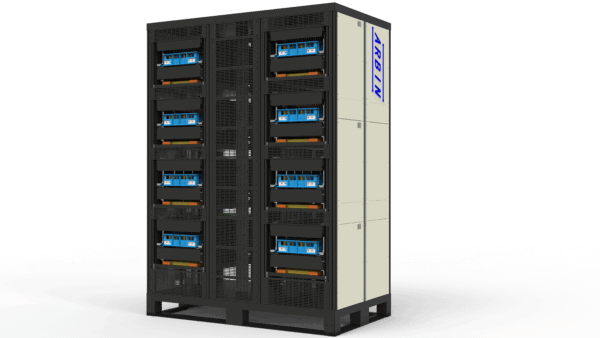
하니웰은 오늘 아빈 인스트루먼트와 협력하여 첨단 자율 형성 시스템을 통합함으로써 리튬 이온 배터리 제조업체 및 기가팩토리를 위한 배터리 제조 우수성 플랫폼(MXP)을 강화했습니다.
Ambri 회사는 차세대 개발 연구소 확장을 위해 Arbin Instruments의 배터리 테스트 장비 선택
배터리 테스트 계측 분야의 선두주자인 Arbin Instruments가 앰브리의 파일럿 제조 확장을 위한 고전류 배터리 테스트 시스템 공급업체로 선정되었습니다. 이 시스템은 혁신적인 Liquid Metal™ 배터리의 개발과 상용화를 촉진할 것입니다. 앰브리의 차세대 배터리는 다양한 전기 그리드 및 데이터 센터를 위한 장시간 고정식 에너지 저장을 제공합니다 [...]
갑작스러운 연결 끊김 등 이벤트 중 BMS 손상 방지
특히 두 가지 기능을 함께 적용하면 테스트 도중 갑작스러운 배터리 분리로 인한 위험을 최소화할 수 있습니다.
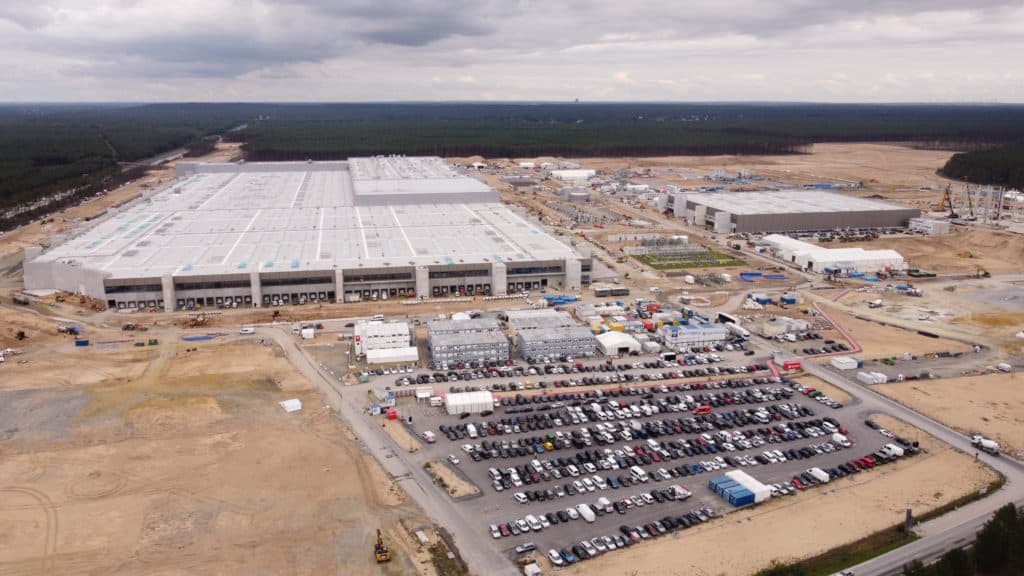
유럽의 전기 확장: 기가팩토리의 부상과 Arbin의 대응
배터리 산업을 발전시키는 사람들을 지원한다는 목표의 일환으로 Arbin Instruments는 유럽에서 배터리 개발에 전념하고 있습니다. Arbin은 대규모 운영을 위한 사이클러 및 데이터 관리 솔루션과 성장하는 Arbin 유럽 전담팀이라는 두 가지 주요 방식으로 배터리 연구 및 생산에 대한 증가하는 수요를 해결하기 위해 노력하고 있습니다.
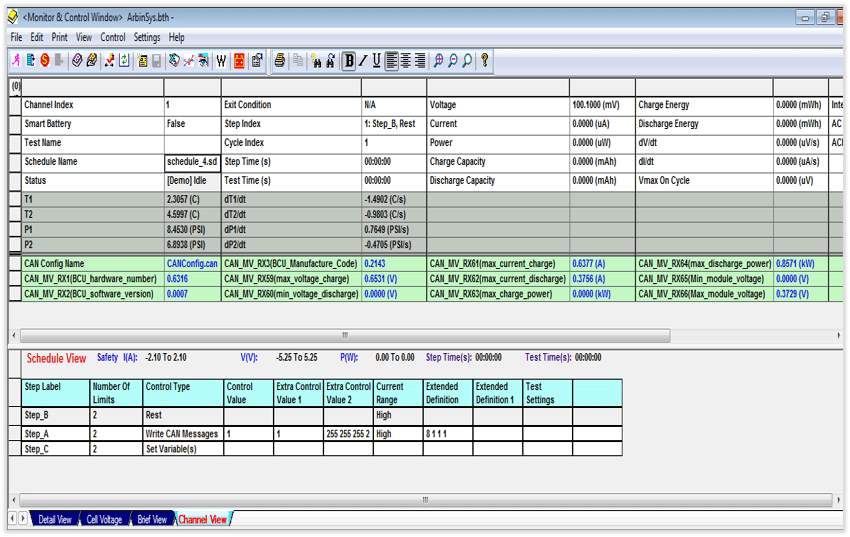
Arbin CAN: Arbin의 CAN 버스 기능을 통한 BMS-테스터 통신
Arbin의 Mits Pro는 CAN 버스 프로토콜을 사용하여 배터리 테스트 장비와 배터리 관리 시스템 간에 CAN 메시지를 주고받을 수 있으며, Arbin 테스터를 외부에서 제어할 수 있습니다.
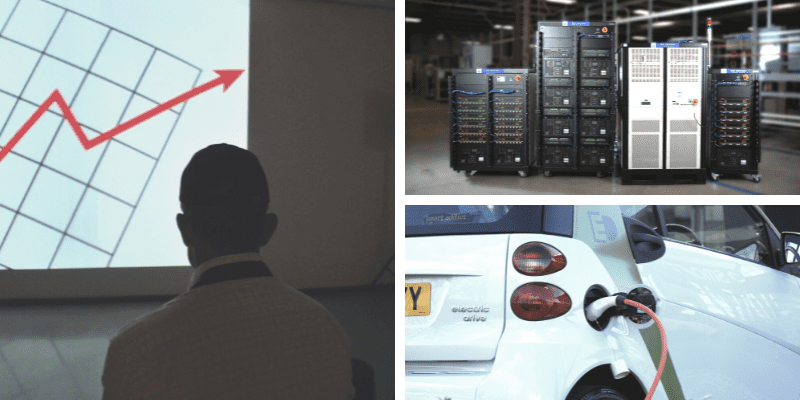
배터리 산업과 함께 미래로 확장하기: 2022년을 내다보는 Arbin
2021년 창립 30주년을 맞이한 Arbin은 이제 2022년을 준비하며 마주하는 모든 도전에 맞서기 위한 사명을 이어갈 것입니다. Arbin은 배터리 기술의 최전선에 서서 연구를 촉진하기 위해 최첨단 배터리 테스트 장비를 제공하기 위해 최선을 다하고 있습니다. 배터리 산업은 수년에 걸쳐 기하급수적으로 성장해 왔습니다. [...]
업계 뉴스 모두 보기
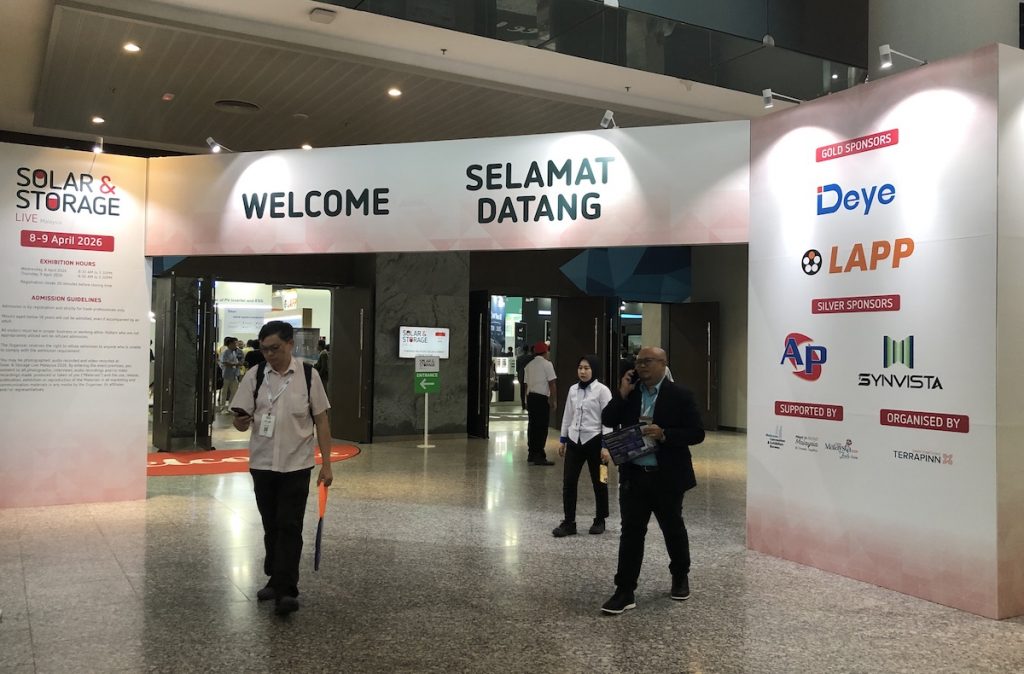
Solar & Storage Live Malaysia 2026: Advancing Battery Innovation for a Sustainable Energy Future
Event Overview Solar & Storage Live Malaysia 2026 is a premier event in Southeast Asia dedicated to solar energy and energy storage technologies. Taking place on April 8–9, 2026 at MITEC in Kuala Lumpur, the exhibition gathers industry leaders, engineers, and innovators across the global energy ecosystem. Organized by Terrapinn, a leading international B2B event […]
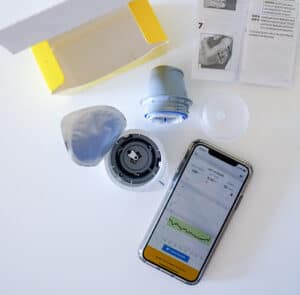
배터리 및 웨어러블 의료 기술
의료 기술의 혁신은 예방 의학 및 만성 질환 관리를 개선하는 데 큰 역할을 합니다. 아빈의 배터리 테스트 장비가 의료 기술의 발전을 어떻게 지원하는지 알아보세요.
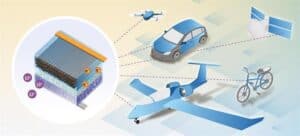
3 산업용 배터리의 업계 최고의 응용
"질량이 없는" 배터리가 있다는 것은 무엇을 의미하며, 이러한 유형의 배터리에 적용할 수 있는 애플리케이션에는 어떤 것이 있을까요? Arbin이 구조적 배터리 개발을 어떻게 지원하는지 알아보세요.
배터리는 어떻게 재활용되나요?
강력한 소재 연구는 앞으로 더욱 지속 가능하고 재활용 가능한 배터리를 만드는 데 중요한 역할을 할 것입니다. Arbin이 다음 도전에 어떻게 도움을 줄 수 있는지 알아보세요.
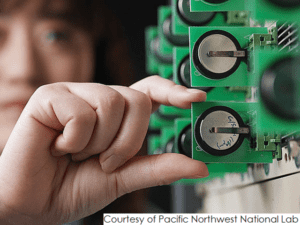
나노기술이 배터리 개발을 촉진하는 방법
나노 기술은 배터리 개발, 연구 및 제조 분야에서 큰 변화를 일으킬 수 있는 잠재력을 가지고 있습니다. Arbin의 고정밀 배터리 테스트 장비가 배터리 연구를 어떻게 지원하는지 알아보세요.
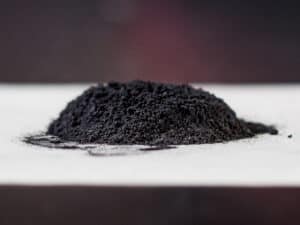
리튬 이온 배터리 재활용이 여전히 제한되는 이유는 무엇입니까?
가정용 제품부터 에너지 저장 장치에 이르기까지 일상 생활에서 배터리가 점점 더 널리 보급됨에 따라 배터리 폐기물을 적절히 처리하고 관리해야 합니다. Arbin이 배터리 연구의 최전선에서 고객을 어떻게 지원하는지 자세히 알아보세요.
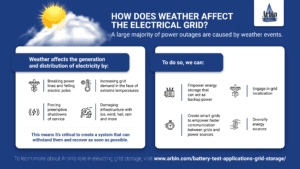
날씨는 전력망에 어떤 영향을 미치나요?
정전의 대부분은 기상 이변으로 인해 발생하기 때문에 정전에 대비하고 최대한 빨리 복구할 수 있는 시스템을 구축하는 것이 중요합니다. Arbin의 장비가 어떻게 그리드 스토리지 산업을 지원하는지 자세히 알아보세요.
에너지 저장소에는 어떤 종류가 있나요?
각 유형의 에너지 저장 장치에는 장점과 한계가 있습니다. 아빈 인스트루먼트는 다양한 유형의 솔루션을 테스트할 수 있는 고품질 장비를 보유하고 있습니다.
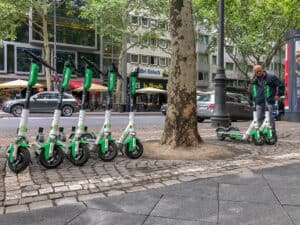
마이크로모빌리티가 이동 방식을 바꾸는 방법
마이크로 모빌리티 솔루션은 교통수단과의 관계를 지속적으로 재편하고 환경에 미치는 영향을 고려할 것입니다. Arbin은 배터리 테스트의 선두에 서서 배터리 재료 연구, 테스트 및 개발을 위한 기술을 혁신하고 개선하기 위해 최선을 다하고 있습니다.

청정 에너지 전환
미국의 재생 에너지 산업은 지난 20년간 꾸준히 성장해 왔습니다. 2000년부터 2018년까지 재생 에너지는 100% 증가했으며, 2020년에는 재생 에너지원이 전체 에너지원의 11.4%를 차지했습니다. 2035년까지 전력 부문의 탈탄소화를 위한 정부의 새로운 이니셔티브에 따라 청정 에너지로의 전환은 [...]에 가장 큰 영향을 미칠 것입니다.
