 简体中文
 English
 한국어

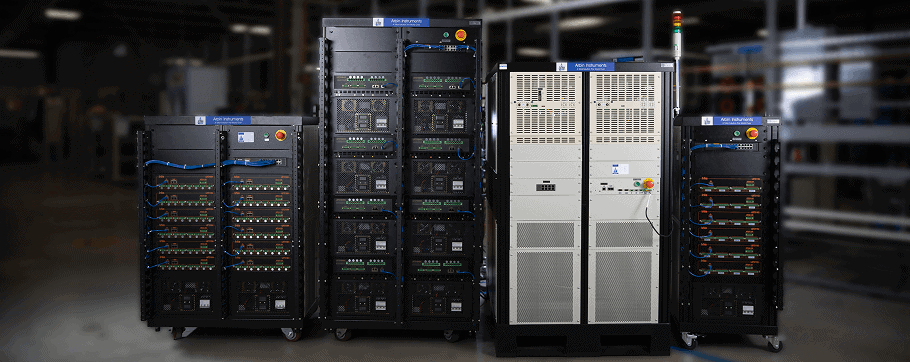
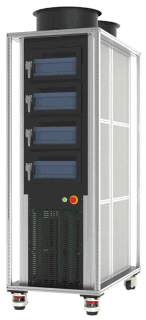


Short answer: A calibration interval is the planned time between two calibrations of an instrument. In other words, it’s how long you can rely on the last calibration before the system needs to be calibrated again. For Arbin battery test systems, Arbin recommends a 12-month (annual) calibration interval.
Why does the calibration interval matter?
All measuring instruments drift over time. In a battery test system, precision parts such as current shunts, voltage references and A/D converters change slowly. Age, heating and cooling during normal operation, and knocks from moving or shipping the system all add to this drift. Calibrating at a regular interval:
-
Checks that the system still meets its published voltage and current accuracy, and corrects any drift
-
Keeps your results reliable: capacity, energy, coulombic efficiency, DCIR and more
-
Keeps measurements traceable to national standards (e.g., NIST)
-
Gives you the calibration records auditors expect under ISO 9001, ISO/IEC 17025, IATF 16949 and similar quality systems
Key terms
|
Term |
Meaning |
|---|---|
|
校准 |
Comparing the system’s readings with a traceable reference standard and adjusting the system if needed |
|
Calibration interval |
The time allowed between two calibrations (12 months recommended for Arbin systems) |
|
Calibration due date |
Date of the last calibration + the calibration interval |
|
Overdue |
The due date has passed, so the system’s accuracy is no longer verified |
Example: A system calibrated on 15 March 2026 with a 12-month interval is due for its next calibration by 15 March 2027.
When should I calibrate sooner?
A 12-month interval suits typical lab use. Consider calibrating earlier, or using a shorter interval, if:
-
The system runs nonstop (24/7) or often at high current
-
The lab has large temperature swings, high humidity, dust or a corrosive atmosphere
-
The system has been moved or shipped
-
Hardware has been repaired or replaced (e.g., a channel board)
-
Something abnormal happened, such as a power surge, short circuit, …
-
Readings disagree with a reference meter or with other channels
-
Your application, quality system or customer contract needs tighter control (e.g., high-precision coulombic efficiency testing)
Can the interval be longer than 12 months?
Your organization makes the final decision. For best performance, Arbin still recommends 12 months.
What if my system is overdue?
An overdue system isn’t necessarily inaccurate, but its accuracy can no longer be confirmed. Data collected after the due date may be questioned in audits, customer reviews or publications. Schedule a calibration as soon as possible. If the calibration finds a channel out of tolerance, check whether tests run on that channel since the previous calibration could be affected.
How do I schedule a calibration?
You have 2 options:
-
On-site calibration by Arbin: Arbin service engineers calibrate your system at your facility. Arbin recommends this for the annual calibration.
-
Rent an Arbin Auto-Calibration Box: Calibrate your system yourself, on your own schedule. This also works for extra checks between annual calibrations, for example after the system is moved or repaired.
For either option, contact your regional Arbin office through the Arbin Contact page with your system serial number(s). Book ahead so calibration happens before your due date.
Sources:
-
ILAC-G24 / OIML D 10 – Guidelines for the determination of calibration intervals
-
Electronic Design – Benefits from Calibrating Your Battery Tester

